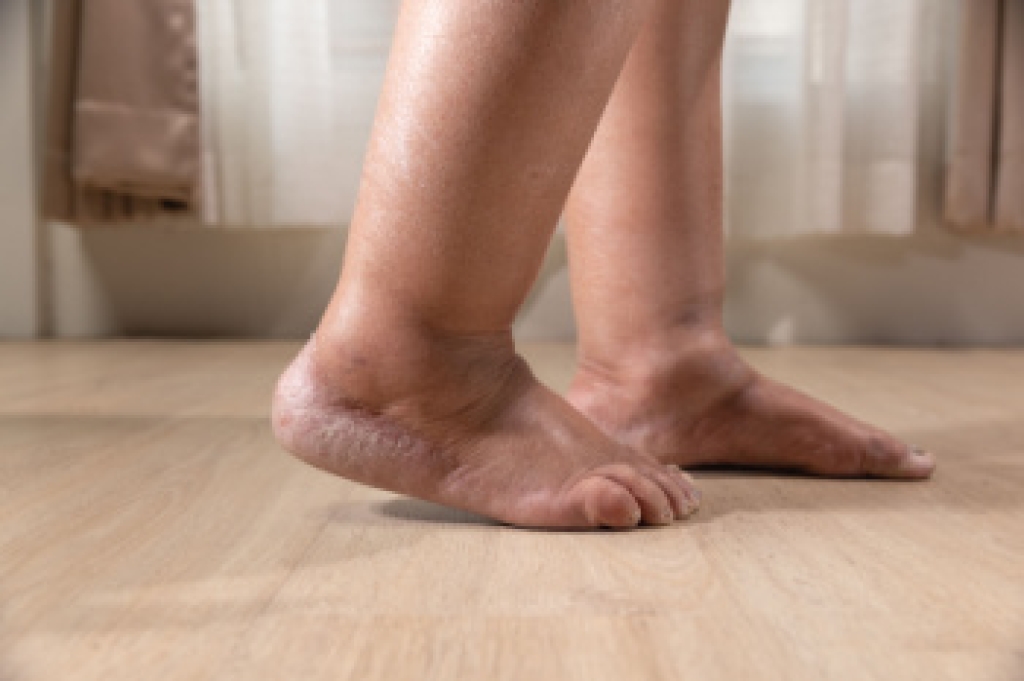
Treating Fungal Toenail Infections

Toenail fungus can cause nails to thicken, change color, and become brittle. Treatment depends on how the infection has progressed. In early stages, medicated solutions applied to the nail may be used, as they reach beneath the nail surface to target the fungus. If the fungal toenail progresses, oral medications may be prescribed to fight the infection from the body. These medicines require monitoring due to side effects. In severe cases, part or all of the affected nail may be removed to clear the infection and allow healthier nail growth. A podiatrist can examine the nail, confirm the diagnosis, and determine which approach best fits the severity of the infection. Care plans often include follow-up visits to track progress and reduce the risk of recurrence. If you have symptoms of a toenail infection, it is suggested that you schedule an appointment with a podiatrist for a diagnosis and appropriate treatment.

If left untreated, toenail fungus may spread to other toenails, skin, or even fingernails. If you suspect you have toenail fungus it is important to seek treatment right away. For more information about treatment, contact Jason Bell, DPM of Advantage Foot and Ankle Center . Our doctor can provide the care you need to keep you pain-free and on your feet.

Symptoms

  • Warped or oddly shaped nails
  • Yellowish nails
  • Loose/separated nail
  • Buildup of bits and pieces of nail fragments under the nail
  • Brittle, broken, thickened nail

Treatment

If self-care strategies and over-the-counter medications does not help your fungus, your podiatrist may give you a prescription drug instead. Even if you find relief from your toenail fungus symptoms, you may experience a repeat infection in the future.

Prevention

In order to prevent getting toenail fungus in the future, you should always make sure to wash your feet with soap and water. After washing, it is important to dry your feet thoroughly especially in between the toes. When trimming your toenails, be sure to trim straight across instead of in a rounded shape. It is crucial not to cover up discolored nails with nail polish because that will prevent your nail from being able to “breathe”.

In some cases, surgical procedure may be needed to remove the toenail fungus. Consult with your podiatrist about the best treatment options for your case of toenail fungus.  

If you have any questions please contact our office located in Newark, DE . We offer the newest diagnostic and treatment technologies for all your foot and ankle needs.

Read more about Toenail Fungus

When Arthritis Affects the Feet

Inflammatory arthritis can affect the feet early in the course of disease, causing pain, swelling, stiffness, and difficulty with walking. Unlike wear-and-tear arthritis, this type of joint inflammation happens when the immune system mistakenly attacks healthy tissue. Conditions such as rheumatoid arthritis, psoriatic arthritis, and other autoimmune disorders may involve the feet and ankles, sometimes affecting multiple joints at once. People may notice morning stiffness, tenderness, warmth, or changes in foot shape, over time. Because the feet contain many small joints, inflammation can significantly affect movement and daily comfort. A podiatrist can help identify areas of joint involvement, evaluate walking mechanics, recommend supportive treatment, and work alongside other medical providers as part of overall care. Early attention may help reduce discomfort and limit long-term joint damage. If you have ongoing foot pain, swelling, and stiffness, it is suggested that you visit a podiatrist for a proper diagnosis and effective relief options.

Arthritis can be a difficult condition to live with. If you are seeking treatment, contact Jason Bell, DPM from Advantage Foot and Ankle Center . Our doctor can provide the care you need to keep you pain-free and on your feet.

Arthritic Foot Care  

Arthritis is a joint disorder that involves the inflammation of different joints in your body, such as those in your feet. Arthritis is often caused by a degenerative joint disease and causes mild to severe pain in all affected areas. In addition to this, swelling and stiffness in the affected joints can also be a common symptom of arthritis.

In many cases, wearing ill-fitting shoes can worsen the effects and pain of arthritis. Wearing shoes that have a lower heel and extra room can help your feet feel more comfortable. In cases of rheumatoid arthritis, the arch in your foot may become problematic. Buying shoes with proper arch support that contour to your feet can help immensely.

Alleviating Arthritic Pain

  • Exercises that stretch the foot can prevent further pain and injury and increase mobility
  • Most of the pain can be alleviated with anti-inflammatory drugs, heat, and topical medications
  • Massages can help temporarily alleviate pain.

It is best to see your doctor for the treatment that is right for your needs and symptoms. Conditions vary, and a podiatrist can help you determine the right method of care for your feet.

If you have any questions please feel free to contact our office located in Newark, DE . We offer the newest diagnostic tools and technology to treat your foot and ankle needs.

Read more about Arthritic Foot Care

When Pain Extends Above the Ankle

A high ankle sprain involves injury to the ligaments that connect the two lower leg bones above the ankle joint. This type of sprain often occurs with twisting or rotational movements, and may cause pain above the ankle rather than on the sides. The area may appear swollen and can feel tender, especially while walking, turning, or bearing weight. Some people notice instability or a tight, aching sensation that worsens with activity. High ankle sprains are commonly seen in sports or activities that involve sudden changes in direction. A podiatrist can evaluate the injury, test joint stability, and may use imaging to determine the extent of ligament damage. Treatment includes immobilization, supportive bracing, and targeted exercises to restore strength and motion. Recovery may take longer than a typical ankle sprain, making early care important. If you suspect you have a high ankle sprain, it is suggested that you schedule an appointment with a podiatrist for appropriate treatment solutions.

Although ankle sprains are common, they aren’t always minor injuries. If you need your ankle injury looked at, contact Jason Bell, DPM from Advantage Foot and Ankle Center . Our doctor can provide the care you need to keep you pain-free and on your feet.

How Does an Ankle Sprain Occur?

Ankle sprains are the result of a tear in the ligaments within the ankle. These injuries may happen when you make a rapid shifting movement while your foot is planted. A less common way to sprain your ankle is when your ankle rolls inward while your foot turns outward.

What Are the Symptoms?

  • Pain at the sight of the tear
  • Bruising/Swelling
  • Ankle area is tender to touch
  • In severe cases, may hear/feel something tear
  • Skin discoloration

Preventing a Sprain

  • Wearing appropriate shoes for the occasion
  • Stretching before exercises and sports
  • Knowing your limits

Treatment of a Sprain

In many cases, the RICE method (Rest, Ice, Compression, and Elevate) is used to treat ankle sprains. However, you should see a podiatrist to see which treatment option would work best with your injury. In severe cases, surgery may be required.

It is important to ask your doctor about rehab options after you receive treatment for your injury. Stretching, strength training, and balance exercises may help the ankle heal while also preventing further injury.

If you have any questions, please feel free to contact our office located in Newark, DE . We offer the newest diagnostic and treatment technologies for all your foot care needs.


Read more about Ankle Sprains

Poor Circulation in the Feet and Ankles

Poor circulation can affect the feet and ankles in ways that make daily life uncomfortable, and, at times, risky. Blood flow depends on arteries and veins, which have different roles. Arteries carry oxygen-rich blood from the heart to the tissues, while veins return blood back to the heart. When arteries are narrowed, the feet may feel cold, painful, or tired, especially during walking. When veins do not work properly, blood can pool in the lower legs, leading to swelling, heaviness, and skin changes. Both problems can increase the risk of slow healing and infection. People may notice discoloration, numbness, or wounds that take longer to improve. A podiatrist can help identify circulation concerns, monitor skin health, and guide care to reduce complications. If you have symptoms of poor circulation such as foot pain, swelling, or slow-healing wounds, it is suggested that you seek care from a podiatrist.

While poor circulation itself isn’t a condition; it is a symptom of another underlying health condition you may have. If you have any concerns with poor circulation in your feet contact Jason Bell, DPM of Advantage Foot and Ankle Center . Our doctor will treat your foot and ankle needs.

Poor Circulation in the Feet

Peripheral artery disease (PAD) can potentially lead to poor circulation in the lower extremities. PAD is a condition that causes the blood vessels and arteries to narrow. In a linked condition called atherosclerosis, the arteries stiffen up due to a buildup of plaque in the arteries and blood vessels. These two conditions can cause a decrease in the amount of blood that flows to your extremities, therefore resulting in pain.

Symptoms

Some of the most common symptoms of poor circulation are:

  • Numbness
  • Tingling
  • Throbbing or stinging pain in limbs
  • Pain
  • Muscle Cramps

Treatment for poor circulation often depends on the underlying condition that causes it. Methods for treatment may include insulin for diabetes, special exercise programs, surgery for varicose veins, or compression socks for swollen legs.

As always, see a podiatrist as he or she will assist in finding a regimen that suits you. A podiatrist can also prescribe you any needed medication. 

If you have any questions, please feel free to contact our office located in Newark, DE . We offer the newest diagnostic and treatment technologies for all your foot care needs.

Read more about Causes Symptoms and Treatment for Poor Circulation in the Feet

Connect With Us

scroll to top