
Is It Rheumatoid Arthritis or Gout?

Foot pain can sometimes be caused by rheumatoid arthritis or gout, each affecting the joints in different ways. Rheumatoid arthritis is an autoimmune condition that often causes pain, swelling, and stiffness in multiple joints. The joints may feel warm, appear swollen, and become increasingly stiff, especially in the morning or after rest. Over time, joint shape may change, leading to deformities and difficulty walking. Gout typically presents as a sudden and intense attack of pain, often affecting the big toe. The joint may become red, hot, and extremely tender, sometimes developing overnight. This occurs due to a buildup of uric acid crystals in the joint. A podiatrist can help distinguish between these conditions through examination and testing. They can then coordinate care that may include medication, supportive footwear, and custom orthotics to protect the joints. If you have foot pain from rheumatoid arthritis or gout, it is suggested that you make an appointment with a podiatrist.

Because RA affects more than just your joints, including the joints in your feet and ankles, it is important to seek early diagnosis from your podiatrist if you feel like the pain in your feet might be caused by RA. For more information, contact Jason Bell, DPM of Advantage Foot and Ankle Center . Our doctor will assist you with all of your podiatric concerns.

What Is Rheumatoid Arthritis?

Rheumatoid Arthritis (RA) is an autoimmune disorder in which the body’s own immune system attacks the membranes surrounding the joints. Inflammation of the lining and eventually the destruction of the joint’s cartilage and bone occur, causing severe pain and immobility.

Rheumatoid Arthritis of the Feet

Although RA usually attacks multiple bones and joints throughout the entire body, almost 90 percent of cases result in pain in the foot or ankle area.

Symptoms

  • Swelling and pain in the feet
  • Stiffness in the feet
  • Pain on the ball or sole of feet
  • Joint shift and deformation

Diagnosis

Quick diagnosis of RA in the feet is important so that the podiatrist can treat the area effectively. Your doctor will ask you about your medical history, occupation, and lifestyle to determine the origin of the condition. Rheumatoid Factor tests help to determine if someone is affected by the disease.

If you have any questions, please feel free to contact our office located in Newark, DE . We offer the newest diagnostic and treatment technologies for all your foot care needs.


Read more about Rheumatoid Arthritis in the Feet

Types of Ingrown Toenails and How They Are Treated

An ingrown toenail occurs when the edge of the nail grows or presses into the surrounding skin instead of resting above it, creating irritation, and, in some cases, a break in the skin. Mild cases may cause redness, tenderness, and slight swelling. As the condition worsens, moderate ingrown toenails can lead to increased pain, drainage, and discomfort in wearing closed-toe shoes. Severe or infected cases may include pus, warmth, and overgrown tissue along the nail border. Some people develop chronic ingrown toenails due to nail shape, repeated pressure, or injury. Treatment depends on severity. Early care includes warm soaks, keeping the area clean, and reducing pressure with proper footwear. A podiatrist may trim or lift the nail or place a small support. For persistent or severe cases, a simple in-office procedure can remove part of the nail and prevent regrowth. If you have a painful ingrown toenail, it is suggested that you see a podiatrist for a proper diagnosis and appropriate treatment.

Ingrown toenails may initially present themselves as a minor discomfort, but they may progress into an infection in the skin without proper treatment. For more information about ingrown toenails, contact Jason Bell, DPM of Advantage Foot and Ankle Center . Our doctor can provide the care you need to keep you pain-free and on your feet.

Ingrown Toenails

Ingrown toenails are caused when the corner or side of a toenail grows into the soft flesh surrounding it. They often result in redness, swelling, pain, and in some cases, infection. This condition typically affects the big toe and may recur if it is not treated properly.

Causes

  • Improper toenail trimming
  • Genetics
  • Improper shoe fitting
  • Injury from pedicures or nail picking
  • Abnormal gait
  • Poor hygiene

You are more likely to develop an ingrown toenail if you are obese, have diabetes, arthritis, or have any fungal infection in your nails. Additionally, people who have foot or toe deformities are at a higher risk of developing an ingrown toenail.

Symptoms

Some symptoms of ingrown toenails are redness, swelling, and pain. In rare cases, there may be a yellowish drainage coming from the nail.

Treatment

Ignoring an ingrown toenail can have serious complications. Infections of the nail border can progress to a deeper soft-tissue infection, which can then turn into a bone infection. You should always speak with your podiatrist if you suspect you have an ingrown toenail, especially if you have diabetes or poor circulation.

If you have any questions, please feel free to contact our office located in Newark, DE . We offer the newest diagnostic and treatment technologies for all your foot care needs.
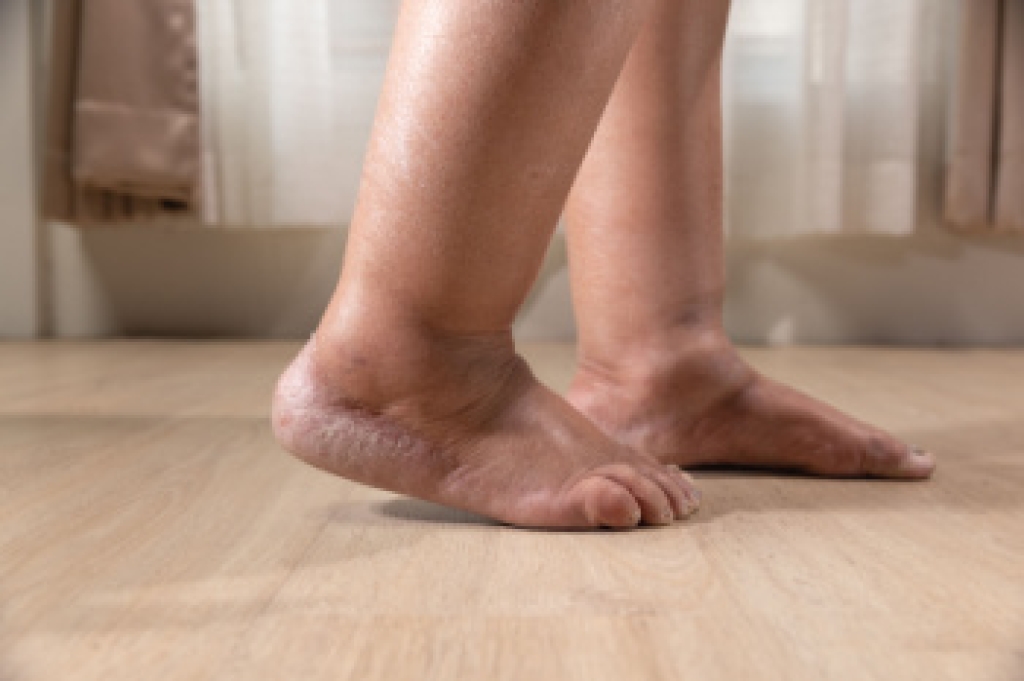
Read more about Ingrown Toenails

Are Bunions Affecting Your Everyday Life?

Have you noticed a bony protrusion on the side of your big toe? If so, you may have developed the foot condition known as a bunion. Don't let bunions interfere with your daily activities.

Caring for Painful Foot Blisters

Foot blisters form when friction, heat, and moisture work together to irritate the skin. A small pocket of fluid develops as the body’s natural way of protecting deeper layers from further damage. Although they may seem minor, blisters can become painful quickly, especially when they appear on areas that bear weight or rub against shoes. Keeping the skin clean and covered is important because an open blister creates an easy path for infection. Choosing well-fitting footwear, moisture-wicking socks, and allowing your feet to dry fully after activity helps lower the chances of new blisters forming. Avoid popping a blister on your own. Recurring blisters may signal issues with gait, shoe structure, or foot mechanics. If blisters continue despite careful attention or become red, warm, or swollen, it is suggested that you see a podiatrist for proper evaluation and care.

Blisters may appear as a single bubble or in a cluster. They can cause a lot of pain and may be filled with pus, blood, or watery serum. If your feet are hurting, contact Jason Bell, DPM of Advantage Foot and Ankle Center . Our doctor can provide the care you need to keep you pain-free and on your feet.

Foot Blisters

Foot blisters are often the result of friction. This happens due to the constant rubbing from shoes, which can lead to pain.

What Are Foot Blisters?

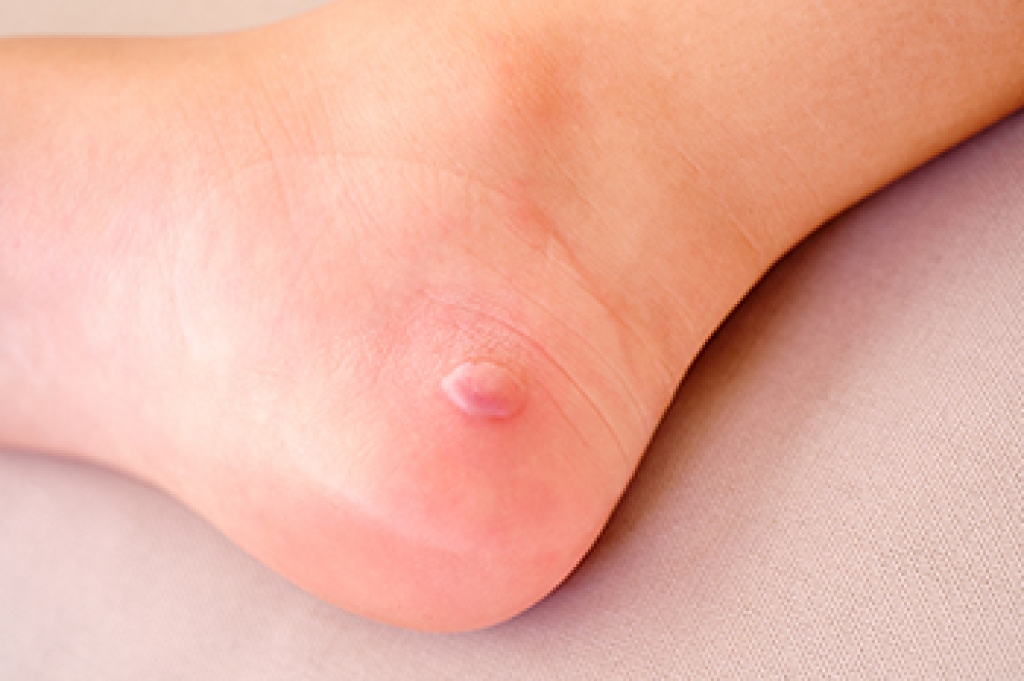
A foot blister is a small fluid-filled pocket that forms on the upper-most layer of the skin. Blisters are filled with clear fluid and can lead to blood drainage or pus if the area becomes infected.

Symptoms

(Blister symptoms may vary depending on what is causing them)

  • Bubble of skin filled with fluid
  • Redness
  • Moderate to severe pain
  • Itching

Prevention & Treatment

In order to prevent blisters, you should be sure to wear comfortable shoes with socks that cushion your feet and absorb sweat. Breaking a blister open may increase your chances of developing an infection. However, if your blister breaks, you should wash the area with soap and water immediately and then apply a bandage to the affected area. If your blisters cause severe pain it is important that you call your podiatrist right away.

If you have any questions, please feel free to contact our office located in Newark, DE . We offer the newest diagnostic and treatment technologies for all your foot care needs.
Read more about Blisters

When Foot Pain and Pressure Do Not Line Up

Foot pain is often thought to come from areas that carry the most pressure, but this is not always true. Pain in one part of the foot does not always match areas with more or less pressure. Some people feel pain in spots that handle a normal amount of weight, while other areas carry more force without causing any discomfort. This highlights how complex foot function can be. Structure, gait, joint movement, and nerve sensitivity all influence how and where pain develops. Because of this, adding cushioning or changing shoes alone may not address the real cause. A detailed evaluation that looks at how your foot moves and bears weight is important for effective care. If you are dealing with ongoing or unclear foot pain, it is suggested that you see a podiatrist for a proper diagnosis and appropriate treatment.

Foot Pain

Foot pain can be extremely painful and debilitating. If you have a foot pain, consult with Jason Bell, DPM from Advantage Foot and Ankle Center . Our doctor will assess your condition and provide you with quality foot and ankle treatment.

Causes

Foot pain is a very broad condition that could be caused by one or more ailments. The most common include:

  • Bunions
  • Hammertoes
  • Plantar Fasciitis
  • Bone Spurs
  • Corns
  • Tarsal Tunnel Syndrome
  • Ingrown Toenails
  • Arthritis (such as Gout, Rheumatoid, and Osteoarthritis)
  • Flat Feet
  • Injury (from stress fractures, broken toe, foot, ankle, Achilles tendon ruptures, and sprains)
  • And more

Diagnosis

To figure out the cause of foot pain, podiatrists utilize several different methods. This can range from simple visual inspections and sensation tests to X-rays and MRI scans. Prior medical history, family medical history, and any recent physical traumatic events will all be taken into consideration for a proper diagnosis.

Treatment

Treatment depends upon the cause of the foot pain. Whether it is resting, staying off the foot, or having surgery; podiatrists have a number of treatment options available for foot pain.

If you have any questions, please feel free to contact our office located in Newark, DE . We offer the newest diagnostic and treatment technologies for all your foot care needs.

Read more about Foot Pain

Connect With Us

scroll to top