
How Orthotics Help Relieve Foot Pain

Orthotics are shoe inserts designed to improve foot function, reduce discomfort, and support healthy movement. They help position the feet more effectively when muscles, tendons, ligaments, joints, or bones are not working together as they should. Orthotics can relieve pain caused by conditions like plantar fasciitis, bunions, hammertoes, flat feet, and high arches. They also help reduce foot fatigue during daily activities. Orthotics come in several forms, including over-the-counter inserts and custom-made devices. Choosing the right option depends on the cause of the problem, the structure of the foot, and the level of support needed. A careful evaluation helps determine which type is most appropriate for each patient.

A podiatrist performs a detailed examination that includes foot structure, walking pattern, and activity level before recommending orthotics. This assessment helps identify abnormal movement patterns and pressure points that contribute to pain. Custom orthotics are tailored to a patient’s unique foot structure, while over-the-counter inserts offer a generic solution that may not adequately address individual needs. A podiatrist also recommends shoes that provide proper support because even the best orthotics perform better inside well-fitting footwear. Regular follow-up visits help monitor comfort and determine whether adjustments are needed as symptoms or activity levels change.

Orthotics are not a one-size-fits-all solution, and using the wrong type can limit their benefits. Some patients need custom orthotics because of more complex foot problems or medical conditions like diabetes and severe arthritis. A podiatrist can determine which type best matches each patient's needs and long-term goals. Early evaluation helps improve comfort, support healthy foot mechanics, and reduce unnecessary stress on the feet while walking and standing. If you have symptoms of foot pain or conditions that could benefit from custom orthotics, it is suggested that you schedule an appointment with a podiatrist for diagnosis and treatment.

If you are having discomfort in your feet and would like to try orthotics, contact Jason Bell, DPM from Advantage Foot and Ankle Center . Our doctor can provide the care you need to keep you pain-free and on your feet.

What Are Orthotics?

Orthotics are inserts you can place into your shoes to help with a variety of foot problems such as flat feet or foot pain. Orthotics provide relief and comfort for minor foot and heel pain but can’t correct serious biomechanical problems in your feet.

Over-the-Counter Inserts

Orthotics come in a wide variety of over-the-counter inserts that are used to treat foot pain, heel pain, and minor problems. For example, arch supports can be inserted into your shoes to help correct overarched or flat feet, while gel insoles are often used because they provide comfort and relief from foot and heel pain by alleviating pressure.

Prescription Orthotics

If over-the-counter inserts don’t work for you or if you have a more severe foot concern, it is possible to have your podiatrist prescribe custom orthotics. These high-quality inserts are designed to treat problems such as abnormal motion, plantar fasciitis, and severe forms of heel pain. They can even be used to help patients suffering from diabetes by treating foot ulcers and painful calluses and are usually molded to your feet individually, which allows them to provide full support and comfort.

If you are experiencing minor to severe foot or heel pain, it’s recommended to speak with your podiatrist about the possibilities of using orthotics. A podiatrist can determine which type of orthotic is right for you and allow you to take the first steps towards being pain-free.

If you have any questions, please feel free to contact our office located in Newark, DE . We offer the newest diagnostic and treatment technologies for all your foot care needs.


Read more about Foot Orthotics

Reminder: When Was the Last Time...?

Custom orthotics, or shoe inserts, should be periodically replaced. Orthotics must fit properly to give you the best results. Protect your feet and ankles!

Understanding Hammertoe Foot Surgery

Foot surgery can restore comfort and improve movement when other treatments no longer provide enough relief. Many foot problems respond well to conservative care, but some conditions continue to cause pain or limit daily activities. One example is hammertoe, which develops when a toe bends abnormally at the middle joint. As the deformity becomes more severe, the toe can become stiff, painful, and difficult to straighten. Pressure from shoes can also lead to corns, calluses, and irritation. A podiatrist carefully evaluates the affected foot to determine whether surgery is the best option based on the condition and its impact on daily life.

Before recommending surgery, a podiatrist performs a thorough examination and reviews symptoms, foot structure, and joint movement. Imaging tests, like X-rays, help show the position of the bones and the severity of the deformity. Surgery includes different techniques depending on the problem being treated. A podiatrist might straighten the toe by releasing tight tendons, removing a small section of bone, or stabilizing the joint. The goal is to reduce pain, improve alignment, and restore function while making it easier to wear shoes comfortably. Each treatment plan is designed to match the patient's condition and activity level.

Recovery after foot surgery depends on the type of procedure and the condition being corrected. A podiatrist provides detailed instructions, monitors healing, and evaluates progress with follow-up visits. Careful monitoring helps reduce the chance of complications and supports a successful outcome. Early evaluation also allows a podiatrist to determine whether surgery is necessary before the condition becomes more limiting. Prompt treatment can improve comfort, increase mobility, and help patients return to daily activities with greater confidence. If you have a hammertoe that requires surgery, it is suggested that you schedule an appointment with a podiatrist  to discuss the benefits of foot surgery with you.

Foot surgery is sometimes necessary to treat a foot ailment. To learn more, contact Jason Bell, DPM of Advantage Foot and Ankle Center . Our doctor will assist you with all of your foot and ankle needs.

When Is Surgery Necessary?

Foot and ankle surgery is generally reserved for cases in which less invasive, conservative procedures have failed to alleviate the problem. Some of the cases in which surgery may be necessary include:

  • Removing foot deformities like bunions and bone spurs
  • Severe arthritis that has caused bone issues
  • Cosmetic reconstruction

What Types of Surgery Are There?

The type of surgery you receive will depend on the nature of the problem you have. Some of the possible surgeries include:

  • Bunionectomy for painful bunions
  • Surgical fusion for realignment of bones
  • Neuropathy decompression surgery to treat nerve damage

Benefits of Surgery

Although surgery is usually a last resort, it can provide more complete pain relief compared to non-surgical methods and may allow you to finally resume full activity.

Surgical techniques have also become increasingly sophisticated. Techniques like endoscopic surgery allow for smaller incisions and faster recovery times.

If you have any questions, please feel free to contact our office located in Newark, DE . We offer the newest diagnostic and treatment technologies for all your foot care needs.

Read more about Foot Surgery

Extensor Tendonitis and Running-Related Foot Pain

Extensor tendonitis causes pain on the top of the foot due to inflammation of the tendons responsible for lifting the toes. These tendons play a vital role in maintaining balance and proper stride during running. When they become overworked or irritated, discomfort can develop. This condition is often seen in runners who place repeated stress on their feet. Learning the definition and causes of extensor tendonitis can help prevent injury and support long term activity.

Common symptoms include aching or sharp pain along the top of the foot, especially during or after running. The affected area may feel sore to the touch and may show mild swelling. Some individuals experience increased discomfort while wearing tight shoes, or when bending the foot upward. Symptoms may worsen with continued activity and improve with rest. Recognizing these warning signs early can help reduce the risk of further damage.


Risk factors for extensor tendonitis include overtraining, sudden increases in activity, and wearing improper footwear. Shoes that are too tight across the top of the foot can create pressure and irritation. Running on hard or uneven surfaces may also contribute to strain. Poor flexibility and lack of proper warm up can increase susceptibility. These factors place stress on the tendons and can lead to inflammation over time.


Managing this condition involves addressing the underlying causes and allowing the tendons to recover. Wearing properly fitted shoes and adjusting lacing can reduce pressure. Rest and gradual return to activity can support healing. Stretching exercises can improve flexibility and reduce tension in the tendons. Seeking podiatric care ensures accurate diagnosis and effective treatment. If you have pain on the top of your foot while running, it is suggested that you consult a podiatrist who can offer effective relief and treatment solutions.

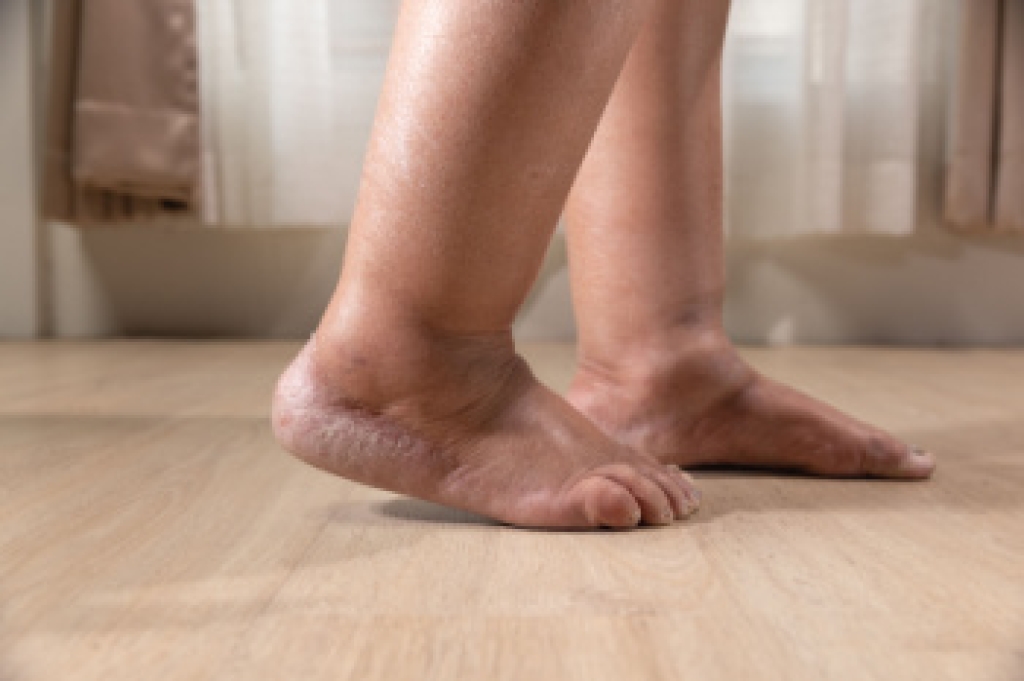
Foot Pain

Foot pain can be extremely painful and debilitating. If you have a foot pain, consult with Jason Bell, DPM from Advantage Foot and Ankle Center . Our doctor will assess your condition and provide you with quality foot and ankle treatment.

Causes

Foot pain is a very broad condition that could be caused by one or more ailments. The most common include:

  • Bunions
  • Hammertoes
  • Plantar Fasciitis
  • Bone Spurs
  • Corns
  • Tarsal Tunnel Syndrome
  • Ingrown Toenails
  • Arthritis (such as Gout, Rheumatoid, and Osteoarthritis)
  • Flat Feet
  • Injury (from stress fractures, broken toe, foot, ankle, Achilles tendon ruptures, and sprains)
  • And more

Diagnosis

To figure out the cause of foot pain, podiatrists utilize several different methods. This can range from simple visual inspections and sensation tests to X-rays and MRI scans. Prior medical history, family medical history, and any recent physical traumatic events will all be taken into consideration for a proper diagnosis.

Treatment

Treatment depends upon the cause of the foot pain. Whether it is resting, staying off the foot, or having surgery; podiatrists have a number of treatment options available for foot pain.

If you have any questions, please feel free to contact our office located in Newark, DE . We offer the newest diagnostic and treatment technologies for all your foot care needs.
Read more about Foot Pain

Foot Problems Common Among Diabetic Patients

Diabetes can affect the health of your feet in ways that are easy to miss. High blood sugar can damage nerves, reducing the ability to feel pain, heat, or injuries. It can also reduce blood flow, making cuts, blisters, and other wounds heal more slowly. Even a small problem can become serious when it goes unnoticed. A podiatrist can check for changes that patients might not see or feel. Regular foot exams help find concerns before they become harder to treat. A podiatrist also checks for changes in skin, nails, and circulation. These visits play an important role in protecting foot health and lowering the risk of serious complications.

Good diabetic foot care starts with regular attention to your feet. A podiatrist examines the skin for sores, cracks, and signs of infection. They also look for corns, calluses, and ingrown toenails that can create pressure and increase the risk of wounds. During an exam, a podiatrist tests feeling in the feet to check for nerve damage. They also evaluate blood flow, because healthy circulation supports healing. Patients benefit from wearing clean socks and shoes that fit well. Shoes that lack proper support or fit too tightly can increase pressure and raise the risk of injury while walking.

Routine visits with a podiatrist allow small problems to be treated before they become serious. Professional nail care helps lower the chance of cuts or broken skin. A podiatrist can also remove thick calluses safely and recommend custom orthotics that reduce pressure on sensitive areas. They explain warning signs that deserve prompt medical attention. Included are redness, swelling, or drainage from a wound. Regular examinations also help track changes in foot health from year to year. If you have foot problems related to diabetes, it is strongly suggested that you are under the care of a podiatrist who can help you to manage this serious condition. 

Diabetic foot care is important in preventing foot ailments such as ulcers. If you are suffering from diabetes or have any other concerns about your feet, contact Jason Bell, DPM from Advantage Foot and Ankle Center . Our doctor can provide the care you need to keep you pain-free and on your feet.

Diabetic Foot Care

Diabetes affects millions of people every year. The condition can damage blood vessels in many parts of the body, especially the feet. Because of this, taking care of your feet is essential if you have diabetes, and having a podiatrist help monitor your foot health is highly recommended.

The Importance of Caring for Your Feet

  • Routinely inspect your feet for bruises or sores.
  • Wear socks that fit your feet comfortably.
  • Wear comfortable shoes that provide adequate support.

Patients with diabetes should have their doctor monitor their blood levels, as blood sugar levels play such a huge role in diabetic care. Monitoring these levels on a regular basis is highly advised.

It is always best to inform your healthcare professional of any concerns you may have regarding your feet, especially for diabetic patients. Early treatment and routine foot examinations are keys to maintaining proper health, especially because severe complications can arise if proper treatment is not applied.

If you have any questions, please feel free to contact our office located in Newark, DE . We offer the newest diagnostic and treatment technologies for all your foot care needs.

Read more about How to Care for Diabetic Foot

Connect With Us

scroll to top