
Ankle Arthrodesis and What It Means for Long-Term Stability

Ankle arthrodesis, commonly known as ankle fusion, is a surgical procedure used to relieve severe, persistent ankle pain that has not improved with other treatments. The goal is to join the bones of the ankle so they heal as one solid unit, eliminating the painful motion caused by advanced arthritis, major injury, or long-standing joint damage. When the joint is fused, the ankle becomes stable and able to bear weight more comfortably, even though movement in the fused area is no longer present. Many people find that walking becomes easier once the constant grinding pain is gone. The procedure requires careful preparation and a structured recovery plan that supports proper bone healing. Over time, surrounding joints adapt, allowing patients to return to many of their usual activities. If you are dealing with unrelenting ankle pain that limits daily life, it is suggested that you see a podiatrist to determine whether ankle arthrodesis is an appropriate option for you.

Foot surgery is sometimes necessary to treat a foot ailment. To learn more, contact Jason Bell, DPM of Advantage Foot and Ankle Center . Our doctor will assist you with all of your foot and ankle needs.

When Is Surgery Necessary?

Foot and ankle surgery is generally reserved for cases in which less invasive, conservative procedures have failed to alleviate the problem. Some of the cases in which surgery may be necessary include:

  • Removing foot deformities like bunions and bone spurs
  • Severe arthritis that has caused bone issues
  • Cosmetic reconstruction

What Types of Surgery Are There?

The type of surgery you receive will depend on the nature of the problem you have. Some of the possible surgeries include:

  • Bunionectomy for painful bunions
  • Surgical fusion for realignment of bones
  • Neuropathy decompression surgery to treat nerve damage

Benefits of Surgery

Although surgery is usually a last resort, it can provide more complete pain relief compared to non-surgical methods and may allow you to finally resume full activity.

Surgical techniques have also become increasingly sophisticated. Techniques like endoscopic surgery allow for smaller incisions and faster recovery times.

If you have any questions, please feel free to contact our office located in Newark, DE . We offer the newest diagnostic and treatment technologies for all your foot care needs.


Read more about Foot and Ankle Surgery

Plantar Warts Can Be Treated!

Plantar warts are small growths that develop on parts of the feet that bear weight. They're typically found on the bottom of the foot. Don't live with plantar warts, and call us today!

Swollen Feet Can Signal Something More

Swollen feet can develop gradually or appear suddenly, and they often indicate that fluid is building up in the tissues. This condition, known as edema, may result from standing for long periods, hot weather, pregnancy, or wearing tight shoes. Injury, infection, and inflammation can also cause one foot to swell. In some cases, swelling in both feet may be linked to circulation problems, vein disorders, heart conditions, or kidney concerns. The skin may look stretched or shiny, and pressing on the area can leave a temporary indentation. Swelling may feel tight, heavy, or uncomfortable, especially at the end of the day. A podiatrist begins with a careful examination to determine whether the cause is local, such as tendon or joint inflammation, or related to a broader medical issue. Treatment depends on the source and may include supportive footwear, compression, elevation, and targeted exercises. If you have swollen feet, it is suggested that you make an appointment with a podiatrist for proper evaluation and care.

Swollen feet can be a sign of an underlying condition. If you have any concerns, contact Jason Bell, DPM of Advantage Foot and Ankle Center . Our doctor can provide the care you need to keep you pain-free and on your feet.

Swollen feet are a common ailment among pregnant women and people who stand or sit for extended periods. Aging may increase the possibility of swollen feet and patients who are obese often notice when their feet are swelling too. There may be medical reasons why swollen feet occur:

  • Phlebitis - A condition that causes the veins to become inflamed and can also cause leg pain.
  • Liver disease - This may lead to low blood levels of albumin which is a protein. This can cause fluid in the blood to pass into the tissues and several areas of the body can become swollen.
  • Heart failure - When the heart doesn’t pump properly the blood that is normally pumped back to the heart can pool in the veins of the legs causing swollen feet.
  • Kidney disease - One of the main functions of the kidneys is releasing excess fluid in the body. This type of condition can make it difficult for the kidneys to function properly, and as a result the feet may become swollen.
  • Deep-vein thrombosis (DVT)- This is a serious condition where blood clots form in the veins of the legs. They can block the return of blood from the legs to the heart which may cause the feet to swell. It is important to be treated by a podiatrist if this condition is present.

Swollen feet can also be caused by bone and tendon conditions, including fractures, arthritis, and tendinitis. Additionally, there may be skin and toenail conditions and an infection may cause the feet to swell. Patients who take medicine to treat high blood pressure may be prone to getting swollen feet. 

Many patients elevate their feet to help relieve the swelling and this is generally a temporary remedy. When a podiatrist is consulted the reason behind the swelling can be uncovered and subsequently treated.

If you have any questions please contact our office located in Newark, DE . We offer the newest diagnostic and treatment technologies for all your foot and ankle needs.

Read more about Swelling of the Feet

Choosing the Best Running Shoes for Your Feet

The right pair of running shoes can make every step feel easier, lighter, and more stable. Since feet vary widely in shape, flexibility, and arch height, the shoe that works for someone else may not be the best match for you. A good fit begins with understanding how your foot moves. Some runners roll inward, others outward, and many stay fairly centered, and each pattern benefits from different levels of support. Cushioning also matters because it absorbs repetitive impact and helps protect the heel and forefoot during longer distances. Trying on shoes later in the day, when your feet are slightly larger, often leads to a more accurate fit. There should be enough room in the toe box for natural movement without slipping at the heel. If you are dealing with discomfort, recurring injuries, or unsure of which type of shoe can keep you comfortable and efficient, it is suggested that you see a podiatrist for expert guidance.

For more information about walking shoes versus running shoes, consult with Jason Bell, DPM from Advantage Foot and Ankle Center . Our doctor can measure your feet to determine what your needs are and help you find an appropriate pair of footwear.

Foot Health: The Differences between Walking & Running Shoes

There are great ways to stay in shape: running and walking are two great exercises to a healthy lifestyle. It is important to know that running shoes and walking shoes are not interchangeable. There is a key difference on how the feet hit the ground when someone is running or walking. This is why one should be aware that a shoe is designed differently for each activity.

You may be asking yourself what the real differences are between walking and running shoes and the answers may shock you.

Differences

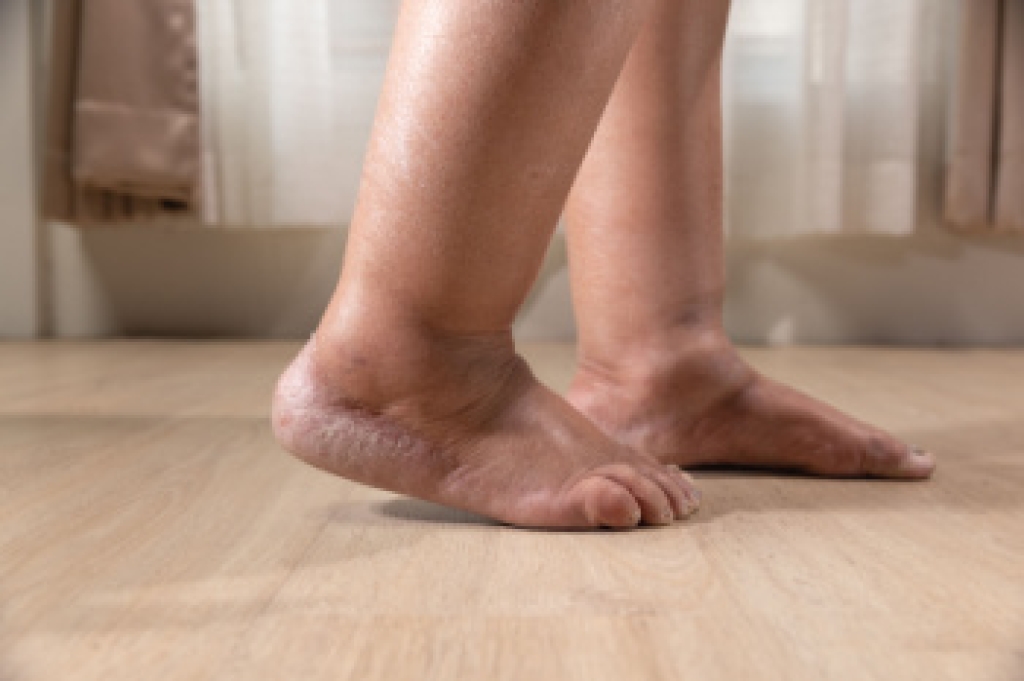
Walking doesn’t involve as much stress or impact on the feet as running does. However, this doesn’t mean that you should be any less prepared. When you’re walking, you land on your heels and have your foot roll forward. This rolling motion requires additional support to the feet.

Flexibility – Walking shoes are designed to have soft, flexible soles. This allows the walker to push off easily with each step.

If you have any questions, please feel free to contact our office located in Newark, DE . We offer the newest diagnostic and treatment technologies for all your foot care needs.
Read more about Differences between Walking and Running Shoes

Erythromelalgia and Painful Burning Feet

Erythromelalgia is a rare condition that affects blood flow and nerve function, often causing intense burning pain in the feet. Symptoms may include redness, warmth, swelling, and severe discomfort that worsens with heat, walking, or standing. Many people notice flare-ups at night or after activity, making sleep and daily movement difficult. The condition may occur on its own or be associated with nerve disorders, autoimmune disease, or blood-related conditions. Because symptoms can fluctuate, management focuses on identifying triggers and reducing flare intensity. Cooling strategies, activity pacing, and careful footwear selection may help, although excessive cold exposure should be avoided. Medications aimed at nerve pain or circulation issues are sometimes used as part of treatment. Early evaluation is important to rule out other causes of burning foot pain and guide care. If persistent burning, redness, or foot pain develops, it is suggested that you see a podiatrist for a proper diagnosis and appropriate treatment.

Some foot conditions may require additional professional care. If you have any concerns, contact Jason Bell, DPM of Advantage Foot and Ankle Center . Our doctor can provide the care you need to keep you pain-free and on your feet.

Rare Foot Conditions

The majority of foot conditions are common and can be treated by a podiatrist.  Standard diagnostic procedures are generally used to identify specific conditions and treatment can be rendered. A podiatrist also treats rare foot conditions which can be difficult to diagnose and may need extra attention and care. 

There are many rare foot conditions that can affect children. Some of these can include:

  • Freiberg’s disease
  • Kohler’s disease
  • Maffucci syndrome

Freiberg’s disease - This can be seen as a deterioration and flattening of a metatarsal bone that exists in the ball of the foot. It typically affects pre-teen and teenage girls, but can affect anyone at any age. Symptoms that can accompany this can be swelling, stiffness, and the patient may limp. 

Kohler’s disease - This often targets the bone in the arch of the foot and affects younger boys. It can lead to an interruption of the blood supply which ultimately can lead to bone deterioration. The patient may limp or experience tenderness, swelling, and redness.

Maffucci syndrome - This affects the long bones in a child’s foot leading to the development of abnormal bone lesions. They are benign growths and typically develop in early childhood and the bones may be susceptible to breaking. 

A podiatrist can properly diagnose and treat all types of rare foot conditions. If your child is affected by any of these symptoms or conditions, please don’t hesitate to call our office so the correct treatment method can begin.

If you have any questions, please feel free to contact our office located in Newark, DE . We offer the newest diagnostic and treatment technologies for all your foot care needs.
Read more about Rare Foot Conditions

Connect With Us

scroll to top