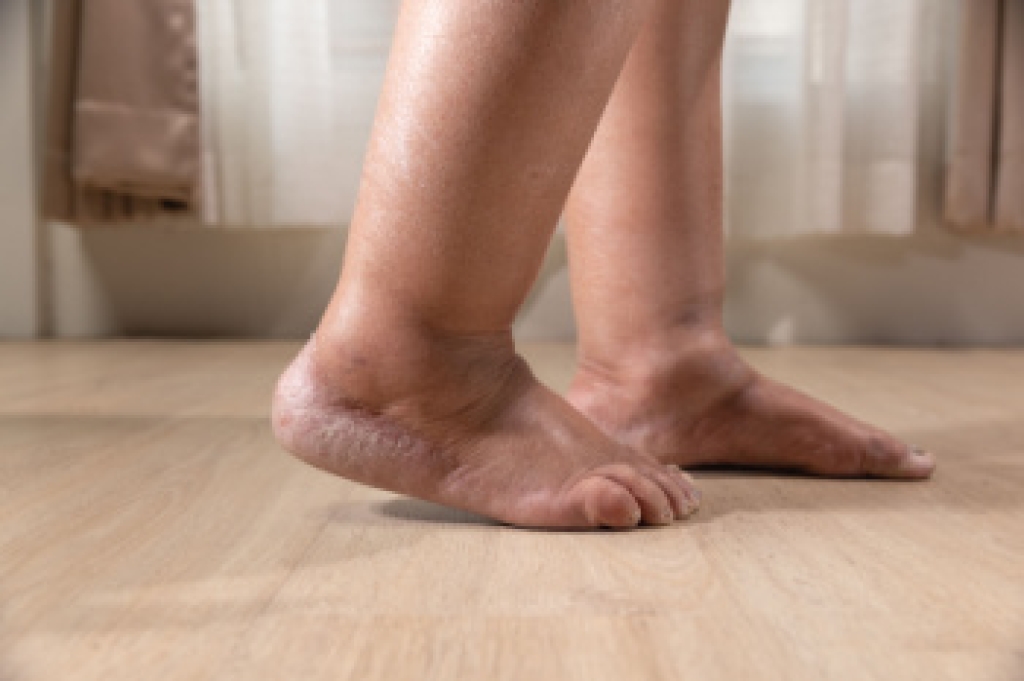
Ball-of-foot-pain from running is discomfort that develops beneath the toes and across the front of the foot. This area absorbs significant force with every stride, especially during faster or longer runs. Several injuries can affect this region. Soft tissue injuries involve damage or irritation to muscles, tendons, or ligaments. Bone injuries involve stress or damage to the metatarsals or other foot bones. Inflammation occurs when tissues become irritated and swollen after repeated stress.
Soft tissue injuries may develop when runners suddenly increase mileage or intensity. Repetitive pushing off can strain structures beneath the toes. Bone injuries can include stress fractures, which are small cracks caused by repeated loading. Inflammation may occur from overuse, especially when the foot does not have enough time to recover. Symptoms can include aching, tenderness, or pain that becomes worse during running. Some runners may notice discomfort when walking or pressing on the ball of the foot.
Several factors can increase the risk of running-related foot pain. Wearing worn-out or poorly fitting running shoes can increase pressure beneath the forefoot. Running on hard surfaces may also place greater stress on the feet. Other risk factors include sudden training changes, poor foot mechanics, and limited recovery between workouts. A podiatrist can evaluate the painful area and review your running habits. The examination may include checking your gait and testing foot movement. Imaging tests may be recommended when a bone injury is suspected. Treatment may include rest, footwear changes, or activity adjustments. More serious injuries may require immobilization.
Ball-of-foot-pain does not have to become a permanent part of running. Getting the cause identified early can help protect your feet and keep you moving safely. If pain continues or affects your ability to run, it is suggested that you consult a podiatrist for an accurate diagnosis and appropriate treatment.
Foot Pain
Foot pain can be extremely painful and debilitating. If you have a foot pain, consult with Jason Bell, DPM from Advantage Foot and Ankle Center . Our doctor will assess your condition and provide you with quality foot and ankle treatment.
Causes
Foot pain is a very broad condition that could be caused by one or more ailments. The most common include:
- Bunions
- Hammertoes
- Plantar Fasciitis
- Bone Spurs
- Corns
- Tarsal Tunnel Syndrome
- Ingrown Toenails
- Arthritis (such as Gout, Rheumatoid, and Osteoarthritis)
- Flat Feet
- Injury (from stress fractures, broken toe, foot, ankle, Achilles tendon ruptures, and sprains)
- And more
Diagnosis
To figure out the cause of foot pain, podiatrists utilize several different methods. This can range from simple visual inspections and sensation tests to X-rays and MRI scans. Prior medical history, family medical history, and any recent physical traumatic events will all be taken into consideration for a proper diagnosis.
Treatment
Treatment depends upon the cause of the foot pain. Whether it is resting, staying off the foot, or having surgery; podiatrists have a number of treatment options available for foot pain.
If you have any questions, please feel free to contact our office located in Newark, DE . We offer the newest diagnostic and treatment technologies for all your foot care needs.