
Causes and Treatment of Peeling Skin Between the Toes

Peeling skin between the toes is more than a cosmetic concern. It can be a sign that the skin has become irritated, damaged, or infected. The affected area may look white, flaky, cracked, or soft from excess moisture. Redness, itching, or an unpleasant odor are other symptoms. Several problems can lead to peeling skin, including fungal infections, trapped moisture, and eczema, which causes dry, inflamed skin. A podiatrist can examine the affected area, determine the cause, and recommend treatment that targets the problem instead of simply covering up the symptoms.

A fungal infection is one of the most frequent reasons for peeling skin between the toes. Fungus grows well in warm, damp places, making the spaces between the toes especially vulnerable. Shoes that do not allow enough air circulation can create an environment where moisture stays trapped. Wearing tight-fitting shoes can also increase rubbing and irritation. Some skin conditions produce peeling that looks similar to a fungal infection, making a professional evaluation important. A podiatrist can identify the source of the peeling through a careful examination and testing. Treatment is based on the diagnosis and focuses on restoring healthy skin while reducing discomfort and preventing the problem from returning.

Ignoring peeling skin between the toes can allow the skin to crack. This makes it easier for bacteria to enter and cause an infection. Patients with diabetes or poor circulation face a greater risk of serious complications because their damaged skin heals more slowly. A podiatrist can provide an accurate diagnosis, remove damaged skin when appropriate, and recommend treatment that protects the surrounding tissue. Regular follow-up visits also allow the healing process to be monitored and adjusted as  needed. Healthy skin between the toes supports comfort, balance, and everyday movement. If you notice peeling skin between the toes, it is suggested that you schedule an appointment with a podiatrist for an accurate diagnosis and appropriate treatment.

Everyday foot care is very important to prevent infection and other foot ailments. If you need your feet checked, contact Jason Bell, DPM from Advantage Foot and Ankle Center . Our doctor can provide the care you need to keep you pain-free and on your feet.

Everyday Foot Care

Often, people take care of their bodies, face and hair more so than they do for their feet. But the feet are a very important aspect of our bodies, and one that we should pay more attention to. Without our feet, we would not be able to perform most daily tasks.

It is best to check your feet regularly to make sure there are no new bruises or cuts that you may not have noticed before. For dry feet, moisturizer can easily be a remedy and can be applied as often as necessary to the affected areas. Wearing shoes that fit well can also help you maintain good foot health, as well as making it easier to walk and do daily activities without the stress or pain of ill-fitting shoes, high heels, or even flip flops. Wearing clean socks with closed shoes is important to ensure that sweat and bacteria do not accumulate within the shoe. Clean socks help to prevent Athlete’s foot, fungi problems, bad odors, and can absorb sweat.

If you have any questions, please feel free to contact our office located in Newark, DE . We offer the newest diagnostic and treatment technologies for all your foot care needs.


Read more about Every Day Foot Care

How Diabetic Neuropathy Affects the Feet

Peripheral neuropathy is a diabetes-related condition that affects the nerves, most often in the feet and lower legs. High blood sugar can damage nerves and interfere with the signals they send to the brain. As a result, a person may lose normal feeling in the feet or experience uncomfortable sensations. Symptoms include numbness, tingling, and burning pain. Some people notice sharp, shooting discomfort that becomes worse at night. Others develop reduced sensitivity to temperature or touch. Because nerve damage can make it difficult to feel injuries, even a small cut or blister can become a serious problem when unnoticed. Diabetic neuropathy can also affect balance and increase the risk of falls.

Several factors increase the risk of diabetic neuropathy. Poor blood sugar control is one of the most significant causes. The risk also rises with longer-lasting diabetes, smoking, and poor circulation. Nerve damage can lead to changes in the shape of the feet, and some people develop muscle weakness that affects how they walk. Others notice cramping, foot fatigue, or difficulty maintaining stability while walking. Loss of feeling in the feet is particularly concerning because it reduces awareness of injuries and pressure points. This increases the chance of skin breakdown, infection, and foot ulcers.

A podiatrist plays an important role in identifying and managing diabetic neuropathy. A podiatrist evaluates sensation, circulation, and foot structure. Regular foot exams help detect problems before they become severe. Treatment includes monitoring nerve-related changes, addressing pressure areas, and helping prevent wounds. A podiatrist can also recommend shoes that provide proper support and protection for feet affected by nerve damage. Patients with diabetic neuropathy benefit from consistent podiatric care because foot problems can develop without obvious warning signs. Prompt attention to numbness, burning, tingling, or unexplained foot pain is essential. It can help reduce the risk of serious complications and preserve mobility. If you have symptoms of diabetic neuropathy, it is suggested that you are under the care of a podiatrist who can provide effective relief and management tips. 

Neuropathy

Neuropathy can be a potentially serious condition, especially if it is left undiagnosed. If you have any concerns that you may be experiencing nerve loss in your feet, consult with Jason Bell, DPM from Advantage Foot and Ankle Center . Our doctor will assess your condition and provide you with quality foot and ankle treatment for neuropathy.

What Is Neuropathy?

Neuropathy is a condition that leads to damage to the nerves in the body. Peripheral neuropathy, or neuropathy that affects your peripheral nervous system, usually occurs in the feet. Neuropathy can be triggered by a number of different causes. Such causes include diabetes, infections, cancers, disorders, and toxic substances.

Symptoms of Neuropathy Include:

  • Numbness
  • Sensation loss
  • Prickling and tingling sensations
  • Throbbing, freezing, burning pains
  • Muscle weakness

Those with diabetes are at serious risk due to being unable to feel an ulcer on their feet. Diabetics usually also suffer from poor blood circulation. This can lead to the wound not healing, infections occurring, and the limb may have to be amputated.

Treatment

To treat neuropathy in the foot, podiatrists will first diagnose the cause of the neuropathy. Figuring out the underlying cause of the neuropathy will allow the podiatrist to prescribe the best treatment, whether it be caused by diabetes, toxic substance exposure, infection, etc. If the nerve has not died, then it’s possible that sensation may be able to return to the foot.

Pain medication may be issued for pain. Electrical nerve stimulation can be used to stimulate nerves. If the neuropathy is caused from pressure on the nerves, then surgery may be necessary.

If you have any questions, please feel free to contact our office located in Newark, DE . We offer the newest diagnostic and treatment technologies for all your foot care needs.
Read more about Neuropathy

Benefits of Walking and the Importance of Proper Footwear

Walking is one of the most accessible and effective forms of exercise, offering a wide range of health benefits for people of all ages. Regular walking supports cardiovascular health, improves circulation, enhances joint mobility, and helps maintain a healthy body weight. It also promotes mental well-being by reducing stress and improving mood. Despite these benefits, the impact of walking on foot health depends heavily on proper support and alignment, which makes footwear a critical factor in preventing injury.

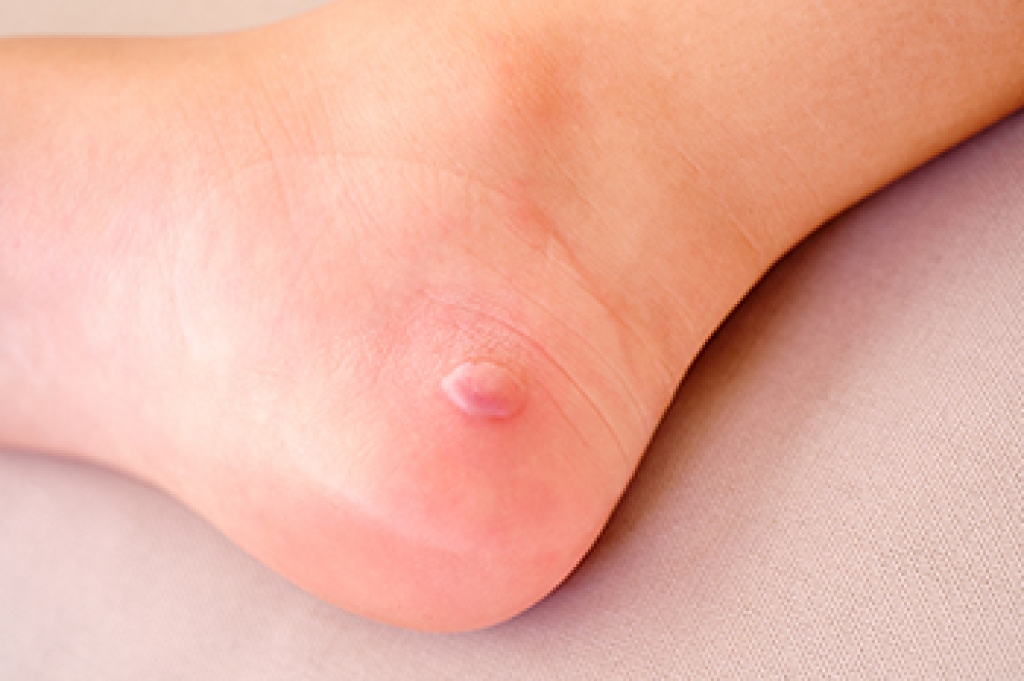
Wearing the right shoes for walking provides stability, cushioning, and arch support, all of which help distribute pressure evenly across the foot. Proper walking shoes reduce strain on the plantar fascia, tendons, and joints, allowing for a smoother and more efficient gait. In contrast, wearing the wrong shoes can lead to a range of foot conditions. Blisters are a common issue caused by friction between the foot and poorly fitting shoes. Soft tissue injuries, including tendon strain and ligament irritation, may also develop due to inadequate support or improper alignment.


Symptoms of foot problems related to poor footwear may include pain, redness, swelling, and discomfort during or after walking. Blisters may appear as fluid-filled areas on the skin, often caused by repeated rubbing. Soft tissue injuries may cause aching or sharp pain that worsens with activity. Risk factors include prolonged walking, wearing worn-out shoes, choosing footwear without proper arch support, and ignoring early signs of discomfort. These issues can gradually worsen if not addressed.


It is important to understand that walking provides significant health benefits, but wearing proper footwear is essential for protecting foot health. Selecting supportive, well-fitting shoes can prevent common injuries and improve overall comfort. If you have foot conditions from wearing the wrong shoes while walking, it is suggested you consult a podiatrist for an accurate diagnosis, appropriate treatment, and guidance on proper footwear.

Exercising your feet regularly with the proper foot wear is a great way to prevent injuries and build strength. If you have any concerns about your feet, contact Jason Bell, DPM from Advantage Foot and Ankle Center . Our doctor can provide the care you need to keep you pain-free and on your feet.

Exercise for Your Feet

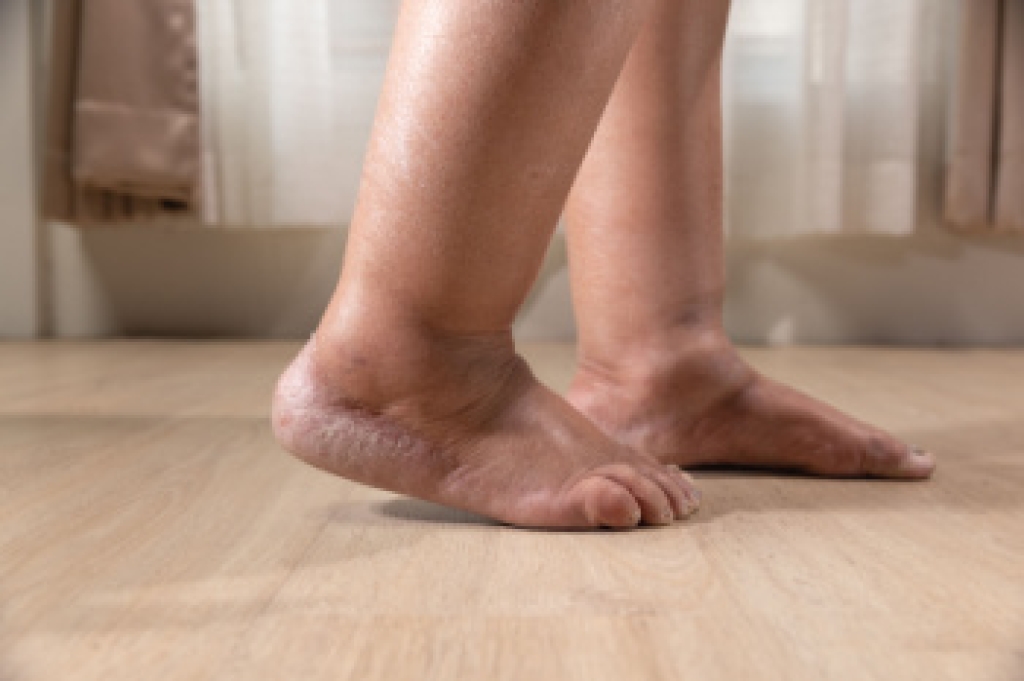
Exercise for your feet can help you gain strength, mobility and flexibility in your feet. They say that strengthening your feet can be just as rewarding as strengthening another part of the body. Your feet are very important, and we often forget about them in our daily tasks. But it is because of our feet that are we able to get going and do what we need to. For those of us fortunate enough to not have any foot problems, it is an important gesture to take care of them to ensure good health in the long run.

Some foot health exercises can include ankle pumps, tip-toeing, toe rises, lifting off the floor doing reps and sets, and flexing the toes. It is best to speak with Our doctor to determine an appropriate regimen for your needs. Everyone’s needs and bodies are different, and the activities required to maintain strength in the feet vary from individual to individual. 

Once you get into a routine of doing regular exercise, you may notice a difference in your feet and how strong they may become.

If you have any questions, please feel free to contact our office located in Newark, DE . We offer the newest diagnostic and treatment technologies for all your foot care needs.
Read more about Exercise for Your Feet

What Is a Tailor’s Bunion?

A tailor’s bunion, also known as a bunionette, develops at the base of the small toe when the 5th metatarsal bone shifts outward. This condition may be caused by inherited foot structure, repetitive pressure, or tight footwear that crowds the toes. Symptoms include aching pain, swelling, and irritation on the outside of the foot. Other signs are redness, callus formation, or tenderness. The area may look like a small bump and can feel sore or burning. This often occurs when wearing narrow shoes or walking for long periods. Over time, discomfort may interfere with daily activities. A podiatrist can help by starting with a careful examination and imaging to confirm the diagnosis and assess bone alignment. Treatment usually begins with footwear changes, padding, and custom orthotics. It may progress to medications, targeted exercises, or corrective procedures when conservative care does not provide relief. If you have a painful tailor’s bunion, it is suggested that you make an appointment with a podiatrist.

If you are suffering from bunions, contact Jason Bell, DPM of Advantage Foot and Ankle Center . Our doctor can provide the care you need to keep you pain-free and on your feet.

What Is a Bunion?

A bunion is formed of swollen tissue or an enlargement of boney growth, usually located at the base joint of the toe that connects to the foot. The swelling occurs due to the bones in the big toe shifting inward, which impacts the other toes of the foot. This causes the area around the base of the big toe to become inflamed and painful.

Why Do Bunions Form?

Genetics – Susceptibility to bunions are often hereditary

Stress on the feet – Poorly fitted and uncomfortable footwear that places stress on feet, such as heels, can worsen existing bunions

How Are Bunions Diagnosed?

Podiatrists often perform two tests – blood tests and x-rays – when trying to diagnose bunions, especially in the early stages of development. Blood tests help determine if the foot pain is being caused by something else, such as arthritis, while x-rays provide a clear picture of your bone structure to your provider.

How Are Bunions Treated?

  • Refrain from wearing heels or similar shoes that cause discomfort
  • Select wider shoes that can provide more comfort and reduce pain
  • Anti-inflammatory and pain management drugs
  • Orthotics or foot inserts
  • Surgery

If you have any questions, please feel free to contact our office located in Newark, DE . We offer the newest diagnostic and treatment technologies for all your foot care needs.

Read more about Bunions

Causes and Risks of Plantar Warts

Plantar warts are rough skin growths that develop on the bottoms of the feet, caused by the human papillomavirus, or HPV. The virus can enter the skin through small cuts or cracks. It grows in warm, moist places like locker rooms, pool decks, and public showers. Walking barefoot in these areas increases the risk of infection. Children, teenagers, older adults, and people with weakened immune systems have a higher risk of developing plantar warts. They can become painful because body weight presses them inward while standing or walking. Some people change the way they walk to avoid pressure on the wart, which can lead to foot pain and balance problems. Plantar warts are contagious and can spread to other parts of the body or to other people through direct contact or shared surfaces. If you have signs of plantar warts, it is suggested that you make an appointment with a podiatrist for an exam and treatment options.

Plantar warts can be very uncomfortable. If you need your feet checked, contact Jason Bell, DPM from Advantage Foot and Ankle Center . Our doctor will assist you with all of your foot and ankle needs.

About Plantar Warts

Plantar warts are the result of HPV, or human papillomavirus, getting into open wounds on the feet. They are mostly found on the heels or balls of the feet.

While plantar warts are generally harmless, those experiencing excessive pain or those suffering from diabetes or a compromised immune system require immediate medical care. Plantar warts are easily diagnosed, usually through scraping off a bit of rough skin or by getting a biopsy.

Symptoms

  • Lesions on the bottom of your feet, usually rough and grainy
  • Hard or thick callused spots
  • Wart seeds, which are small clotted blood vessels that look like little black spots
  • Pain, discomfort, or tenderness of your feet when walking or standing

Treatment

  • Freezing
  • Electric tool removal
  • Laser Treatment
  • Topical Creams (prescription only)
  • Over-the-counter medications

To help prevent developing plantar warts, avoid walking barefoot over abrasive surfaces that can cause cuts or wounds for HPV to get into. Avoiding direct contact with other warts, as well as not picking or rubbing existing warts, can help prevent the further spread of plantar warts. However, if you think you have developed plantar warts, speak to your podiatrist. He or she can diagnose the warts on your feet and recommend the appropriate treatment options.

If you have any questions, please feel free to contact our office located in Newark, DE . We offer the newest diagnostic and treatment technologies for all your foot care needs.

Read more about What Are Plantar Warts?

Connect With Us

scroll to top